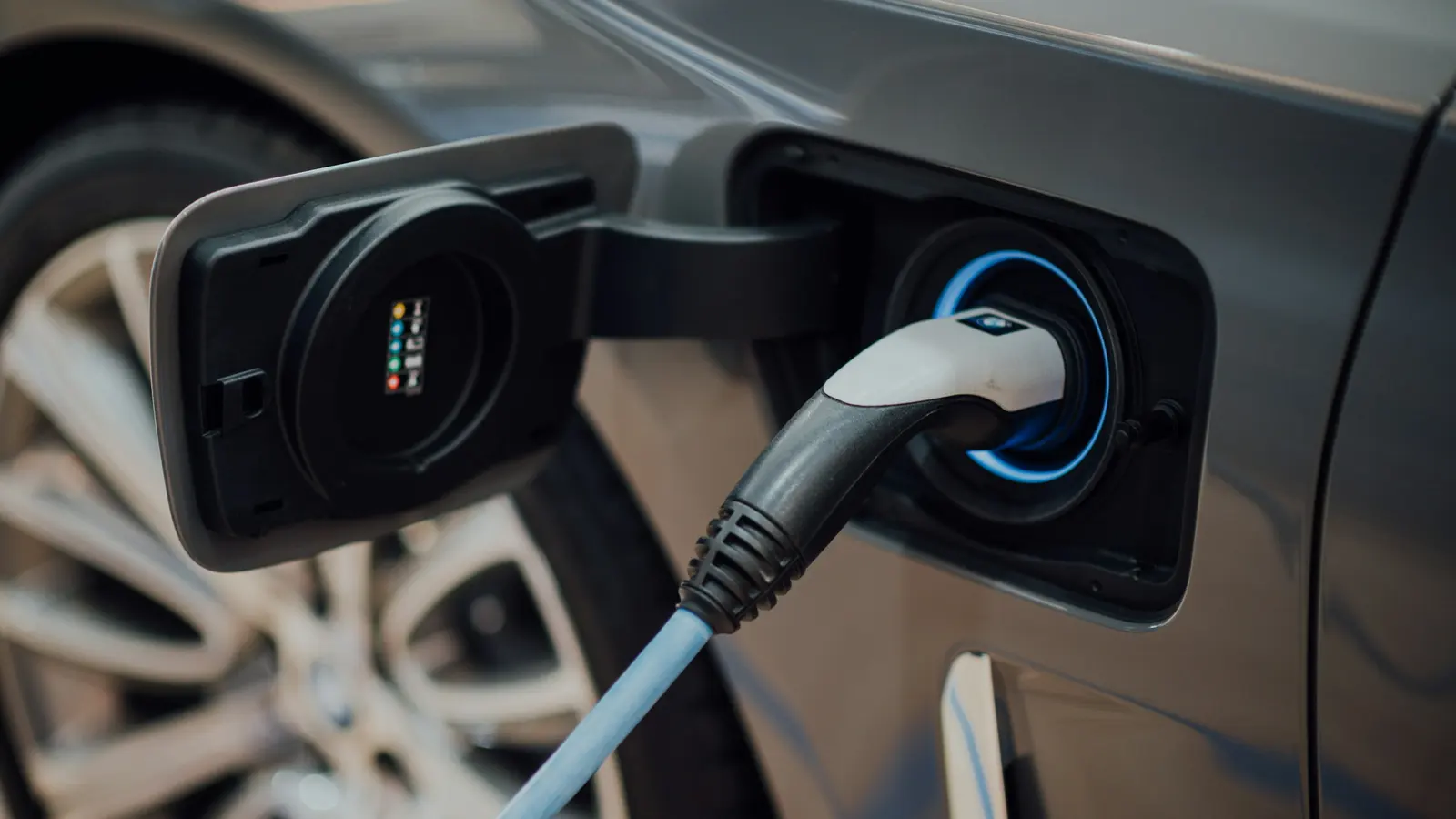
Hybrid and electric vehicles are taking up more and more space on dealership floors. For customers, they come with a new set of questions: how long will the battery last? What happens if an electrical component fails after the manufacturer’s warranty? And is extended protection really worth it for this kind of vehicle?
For the F&I team, these questions are a chance to step fully into the role of advisor.
An electrified vehicle is still… a vehicle
The battery is what comes to mind first, but a hybrid or electric vehicle also has every system a conventional vehicle has: steering, suspension, brakes, climate control, onboard electronics, driver-assistance systems and control modules.
Many of these components are sophisticated — and expensive to replace. Well-chosen extended protection covers the whole vehicle, not just what sets it apart from a gas model.
Components specific to electrified vehicles
Depending on the powertrain, these include:
- the high-voltage battery and its management system;
- the electric motor(s) and generator;
- power electronics — inverter, converter, onboard charger;
- the thermal management system, essential to battery performance and lifespan;
- for hybrids, the hybrid system control modules, in addition to the combustion engine.
The manufacturer’s warranty often covers the high-voltage battery longer than the rest of the vehicle. That’s good news, but it can leave customers thinking “everything is covered,” when the base warranty on other components ends much sooner.
The right questions to ask the customer
As with any vehicle, the recommendation should start from real-world use:
- How long do they plan to keep the vehicle? Beyond the base warranty, repair exposure increases.
- How far do they drive? Long daily commutes put more demand on certain systems.
- Do they know how long the manufacturer’s warranty lasts, component by component?
- How would they handle an unexpected repair on an expensive electronic system?
Check eligibility and coverage
Not every protection treats electrified vehicles the same way. Eligibility for hybrid and electric vehicles, and the systems covered, depend on the approved contract. Before presenting an option, make sure you know exactly what is included and excluded — and explain it clearly to the customer.
That’s where a reliable partner makes the difference: programs designed for hybrid and electric propulsion, clear documentation and claims support that understands these technologies.
The takeaway
Customers moving to electric want reassurance, not jargon. By simply explaining what the manufacturer’s warranty covers, what remains at risk and how extended protection completes the picture, the F&I team helps them drive with confidence.
Explore our automotive protection, or ask Kimy to help you check whether a hybrid or electric vehicle is eligible.